How do you check the owner, debts, documents and condition of a car in Sweden? Safe export, transport, excise duty and registration in Poland.
A Swedish car may have excellent equipment, a transparent service history and an attractive price. Yet the cross-border risk sometimes lies not in the engine but in responsibility. Who exactly will report the export? Who will send evidence that the car was permanently taken abroad? What happens if the Swedish register still lists the previous owner? These questions belong at the beginning of the negotiation.
Verify the person, not only the registration number
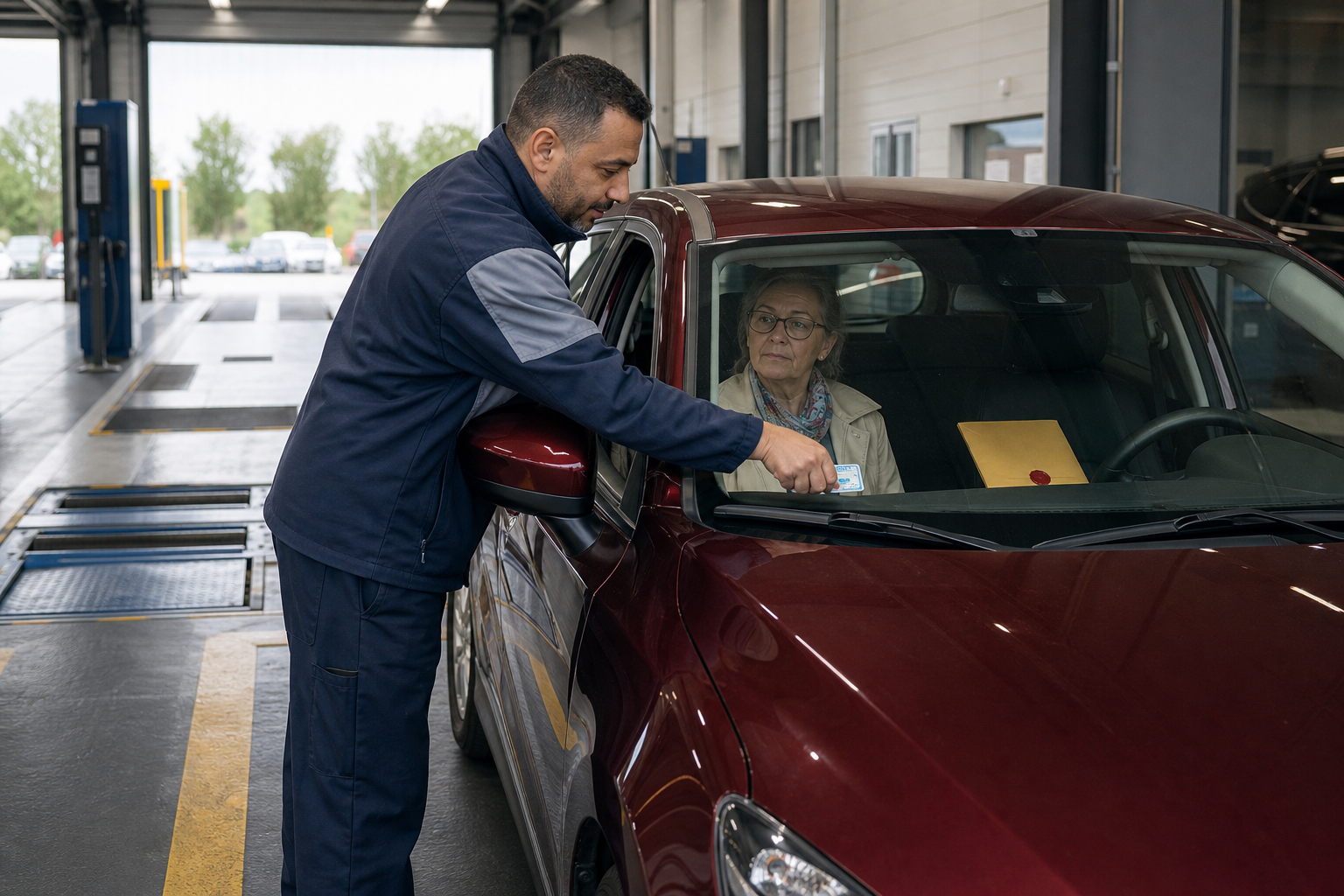
Transportstyrelsen provides services for vehicle and owner data. Compare the owner's name with the seller's identity and the draft contract. If an intermediary is selling the car, you need a power of attorney or a clear chain of acquisition. In Sweden, the registration certificate is divided into Part 1 and Part 2; the second part is a sensitive document used for changes of ownership and deregistration.
Check debts and restrictions separately. Swedish consumer and enforcement sources warn that some liabilities may affect the vehicle and its new buyer. Do not rely only on a declaration in the contract.
Proof of export is part of the process, not a later favour
For export within the EU/EEA, the notification can be submitted on the prescribed form or with a copy of Part 2 of the registration certificate. The Swedish authority also needs evidence that the vehicle has been permanently taken abroad. A foreign registration document, confirmation from a foreign authority, a customs document or confirmation from a professional carrier may serve as proof.
The sales contract alone may not be sufficient. State in the agreement who will provide a copy of the document after registration in Poland, within what period and how personal data will be protected. The seller has a legitimate interest in completing deregistration, while the buyer needs to retain the original required in Poland.
Winter, salt and long distances change the physical inspection
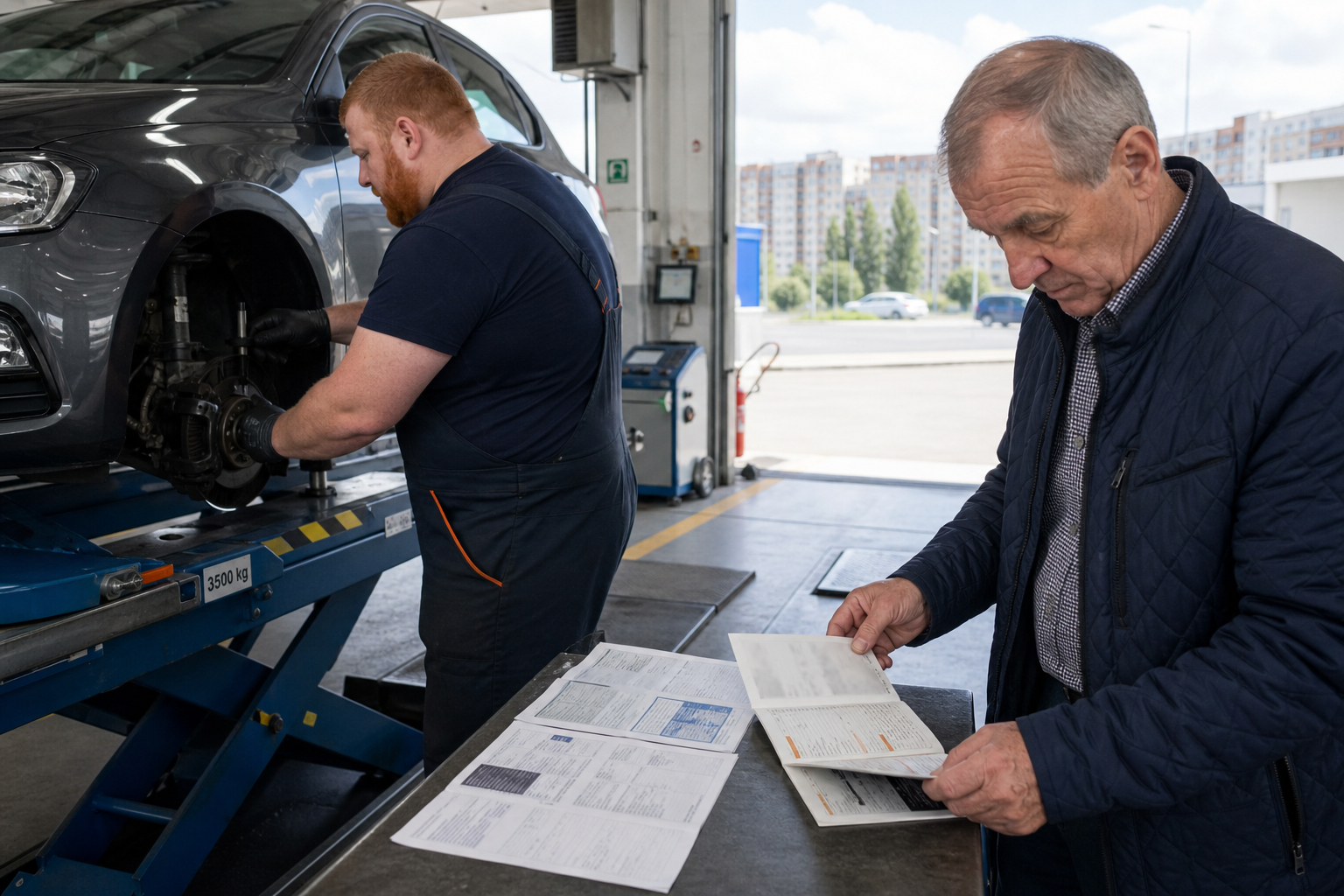
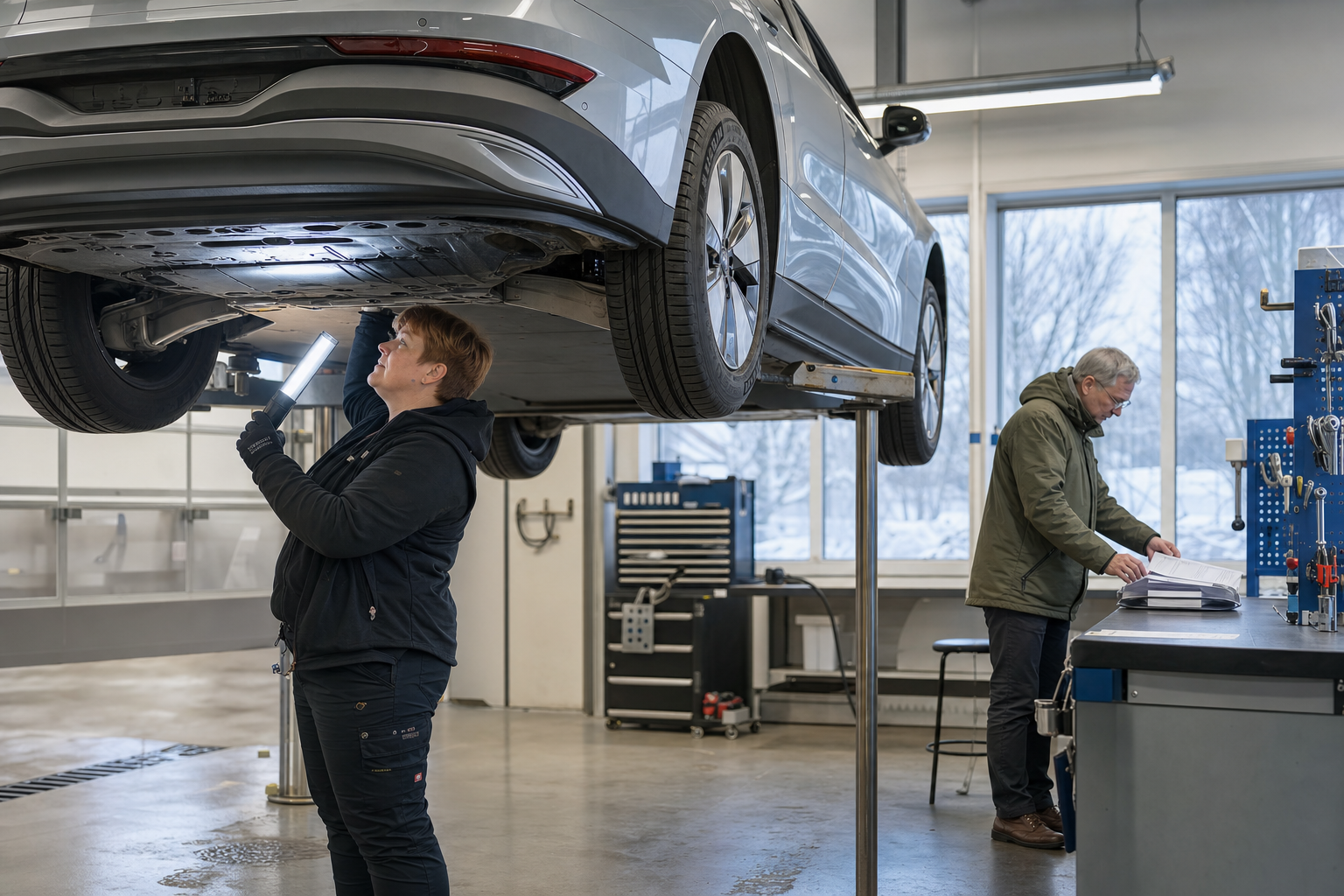
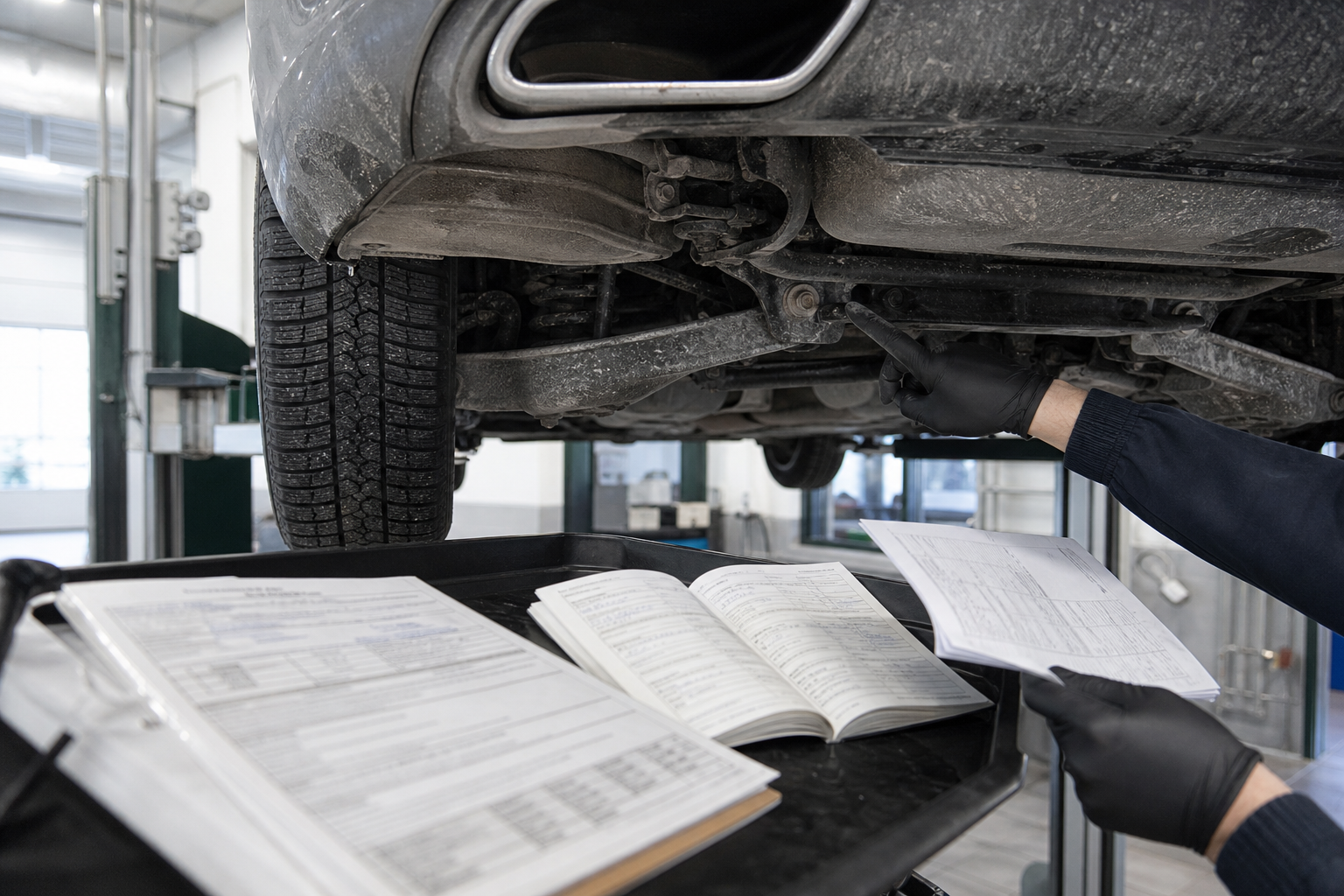
Swedish origin is not automatically an advantage or a disadvantage. On the particular car, thoroughly inspect the underside, brake lines, exhaust, sills, axle mountings and the condition of protective coatings. On cars used in the north, check cold starts, the battery, heating, auxiliary heating and the operation of every defrosting element.
For an electric car, diagnostics of the traction battery, charging and thermal management are worthwhile in addition to the usual inspection. A cold climate alone does not mean that the battery is poor. Its measured condition, errors and charging behaviour are what matter.
Transport: temporary registration, a carrier or a well-prepared handover
The Swedish system allows temporary export registration under specified conditions. Because of the distance, ferry and transit, it is often sensible to compare driving the car yourself with professional transport. Include the ferry, fuel, accommodation, insurance and risk of delay in the calculation.
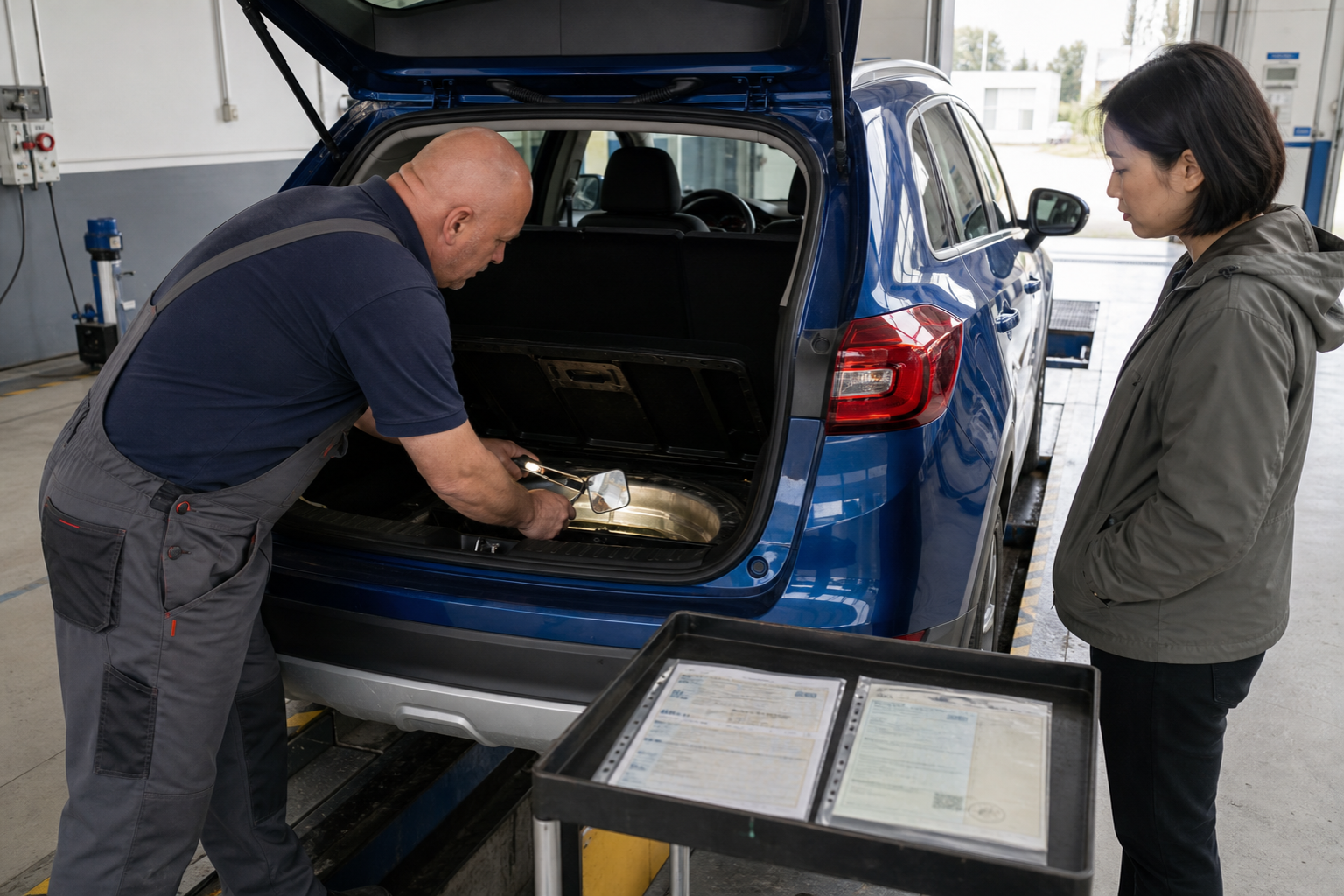
Before the car is handed over, photograph its condition, mileage, VIN, all keys and the documents transferred. The time and place of handover matter both for liability and Swedish deregistration.
Poland is the final part of one connected process
The administrative process is not complete when the car crosses the Polish border. Customs duty does not normally apply to a used car from the EU, but the buyer must deal with Polish excise duty, registration, insurance and, where necessary, a technical inspection or translations. The AKC-US declaration is normally filed within 14 days of the tax liability arising, and the tax is paid within 30 days. An application to register a car imported from another EU member state must be submitted within 30 days of import.
VAT cannot be determined solely from the fact that the listing describes the car as used. Under EU rules, a vehicle is new if it has travelled no more than 6,000 km or was supplied within six months of first registration. It is used only when it meets both opposite conditions. For a dealer invoice, the VAT scheme applied also matters. After registration in Poland, a secure copy of the document may need to be provided to the seller or their representative as evidence of permanent export. Agree this in advance.
A Polish administrative step cannot rescue a missing Swedish document. Before paying, therefore, check that the purchase document, foreign registration document, any deregistration confirmation and the technical records form an unbroken chain for one VIN.
When to raise your hand and say stop
The seller is not listed in the register and has no power of attorney. Part 2 of the document “will arrive by post”. Debts supposedly do not need to be checked. The buyer is expected to handle the export without the owner's cooperation. Or the seller refuses an underside inspection on a lift despite visible corrosion. These are not minor issues but weak points in both the chain of ownership and the vehicle's technical condition.
FAQ
How can I check the owner of a car in Sweden?
Use Transportstyrelsen's official services and compare the result with the seller's identity and the registration certificate.
Can the car have debts?
Swedish sources warn of liabilities and restrictions that may affect the vehicle. Check them before paying.
Is the sales contract enough for export deregistration?
Not necessarily. The authority may require evidence that the vehicle has been permanently exported, such as a foreign registration document or confirmation from a carrier.
What should I pay attention to technically?
Corrosion on the underside, the brakes, heating and cold starts, and on an EV also the battery, charging and thermal management.
Primary sources
- Transportstyrelsen - export and temporary registration - deregistration, temporary registration and proof of export
- Transportstyrelsen - buying a vehicle - the owner, registration documents and transfer
- Kronofogden - vehicle-related debts - the risk of debts associated with the vehicle
- PUESC - AKC-US - declaration within 14 days and payment within 30 days
- Polish Ministry of Infrastructure - vehicle registration - the 30-day deadline and registration framework