How do you check and buy a car in the Netherlands? RDW, mileage, the export document, white plates, the BPM refund, transport and registration in Poland.
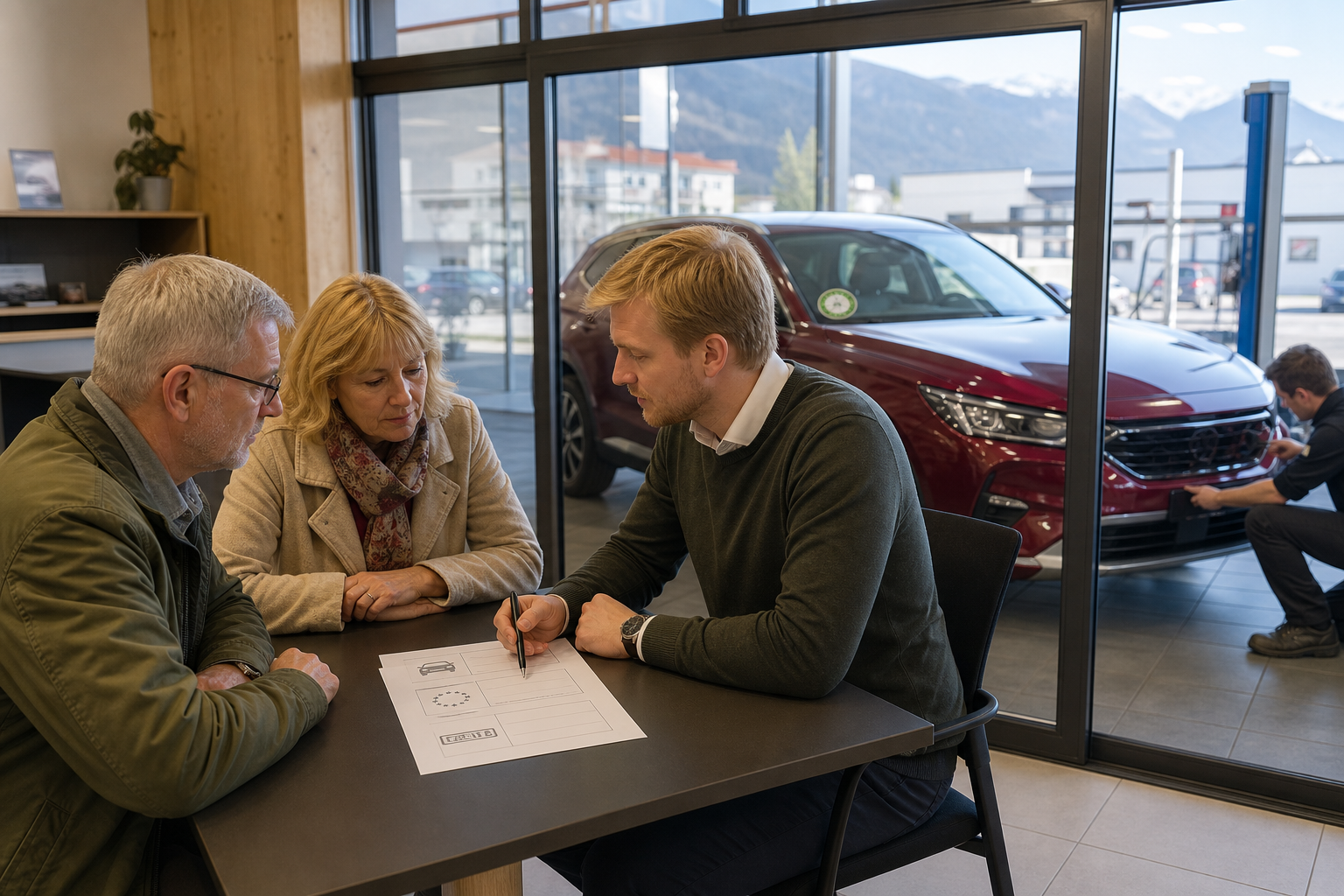
With a Dutch car, the difference between a good and a bad purchase may be hidden in a single phrase in the offer: “export price”. It is not merely marketing. The price may include the anticipated refund of part of the BPM, the dealer may intend to keep that refund, or the car may not qualify at all. Anyone who asks only after signing is already negotiating from a weaker position.
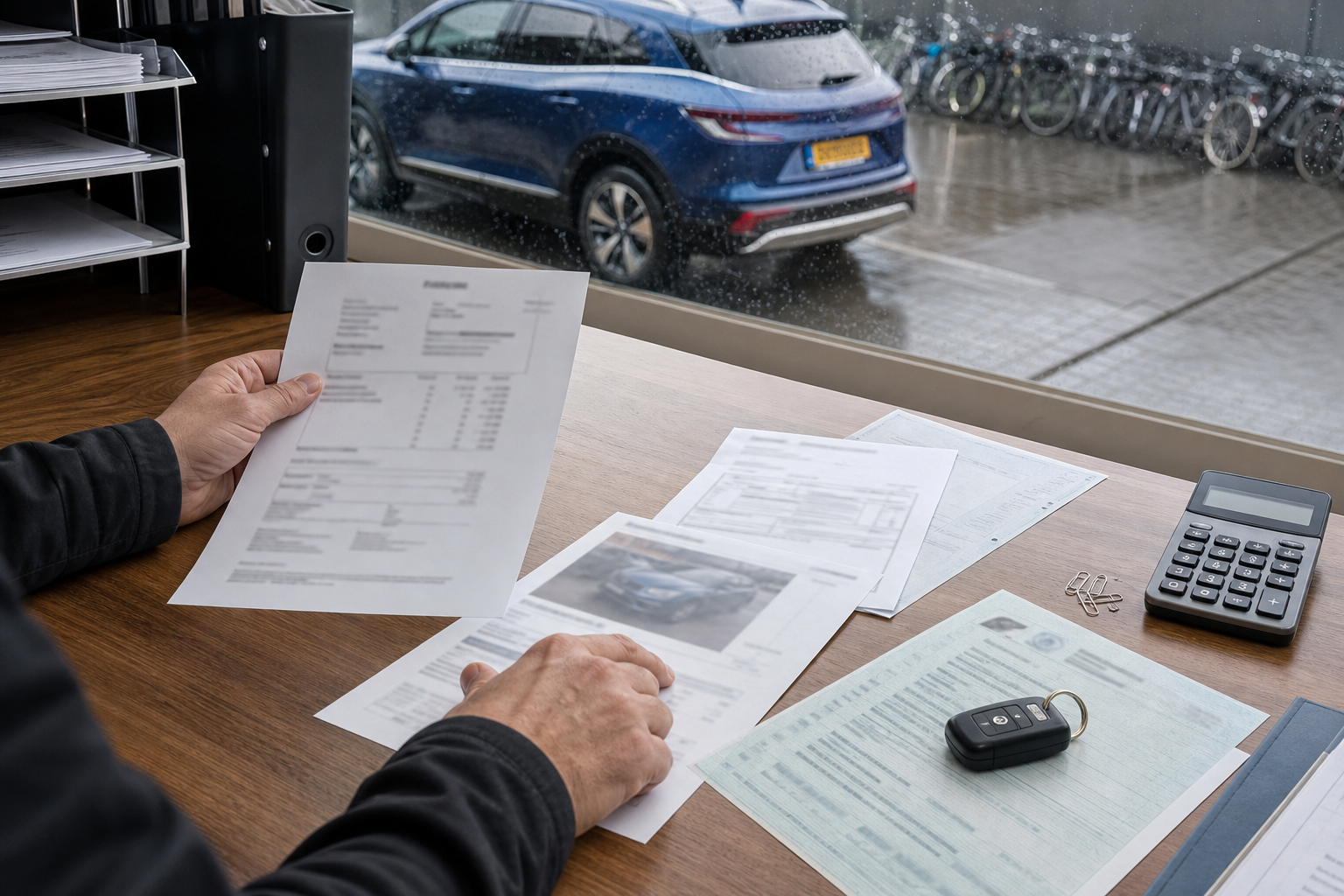
RDW first, emotions second
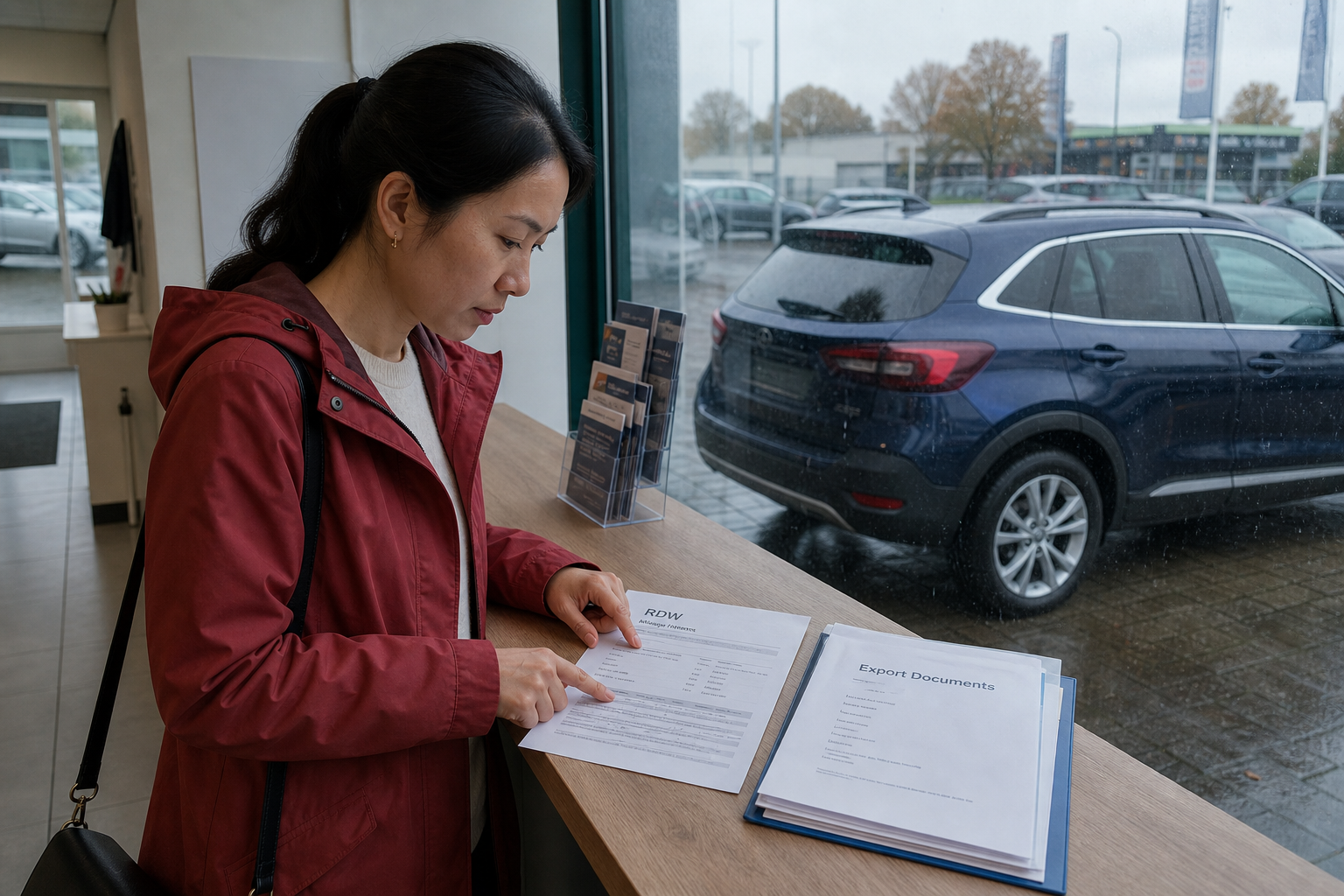
A Dutch kenteken is a useful entry point to the RDW system. The public check can provide technical and registration data, transferability status, APK information, some mileage data and recall information. The report will not, however, reveal current play in the suspension or the quality of a post-accident repair.
Before travelling, ask for the registration number, VIN, date of first registration, current mileage and a photograph of the registration card. For mileage, examine not only the system's verdict but also the chronological continuity of service invoices. An imported car may have a data gap before it entered the Netherlands.
BPM is part of the price negotiation, not a bonus after purchase
BPM is a Dutch tax associated with motor vehicles. When a used vehicle is permanently exported, meeting the conditions may create an entitlement to a partial refund. The official conditions include, among other things, Export status in RDW, registration in another EU or EEA country within the required period and the vehicle's actual movement out of the country.
Three questions matter to the buyer: who files the application, what indicative amount relates to the specific VIN, and whether that value has already been deducted from the sale price. Have the answer recorded in the offer or invoice. Do not present the refund as a guaranteed discount until the conditions and responsibility for registration in Poland have been verified.
The export must be carried out in the correct person's name
In the standard RDW export procedure, an export certificate is issued and is important for foreign registration. The buyer's details must match the person who actually acquires the car. After deregistration, white plates bearing the export number are used. Official RDW information allows limited driving in the Netherlands after export, but only with insurance and a valid APK.
That does not automatically authorise the entire journey to Poland. Verify the insurance cover and recognition of the temporary regime in Germany and other transit countries. For a car with an expired APK or technical risk, a transporter is the cleaner solution.
What the technician must inspect
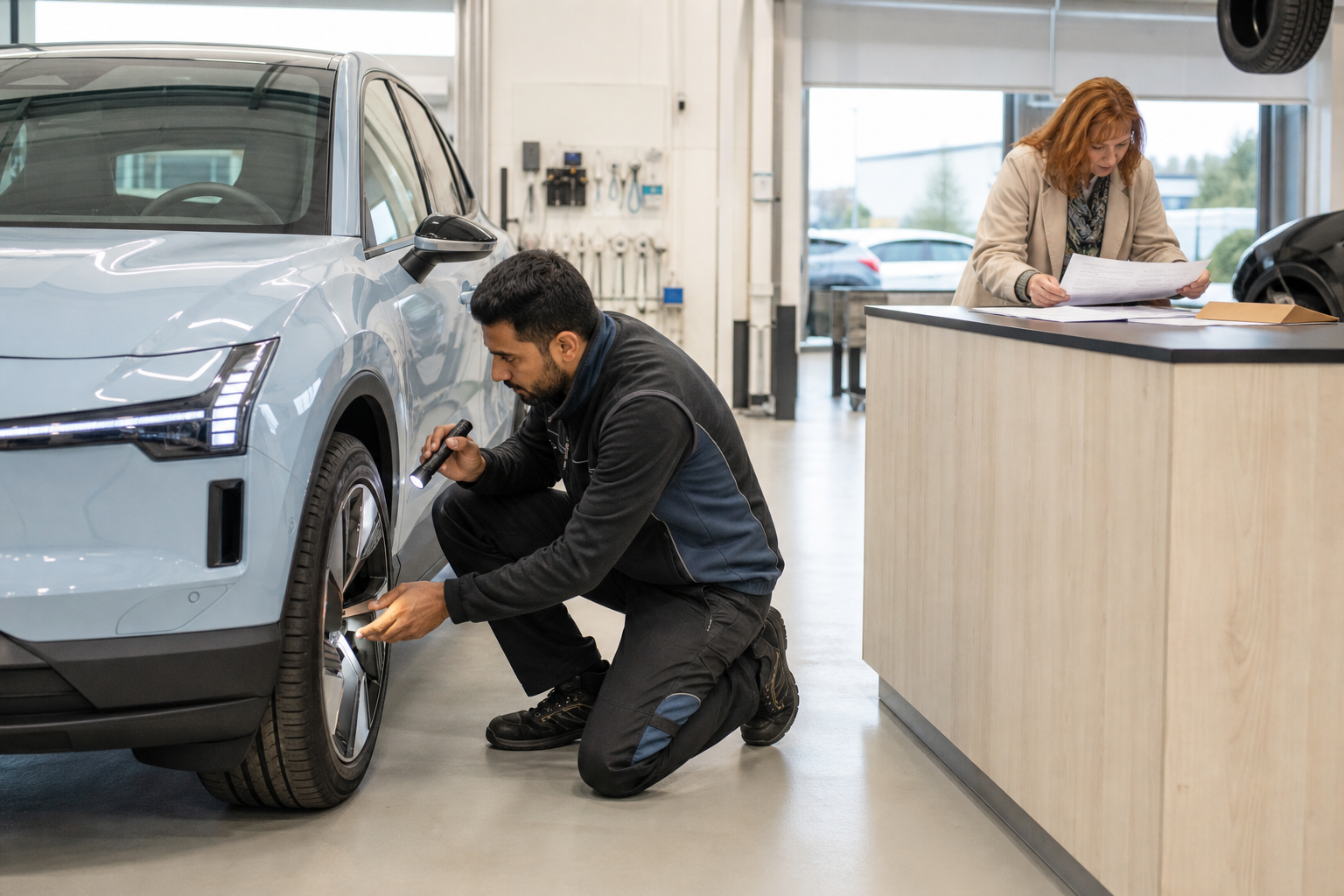
The Netherlands has a strong data layer, which is precisely why buyers sometimes rely too heavily on the screen. The physical inspection should cover the body and paint, chassis, brakes, tyres, engine or electric drive, transmission, electronics, air conditioning and the car's behaviour on the road. On cars from coastal areas and older vehicles, it is worth looking carefully for corrosion on the underside and brake lines.
Divide the result into safety defects, high future costs, routine servicing and cosmetic issues. Only this classification will show whether the Dutch price after the BPM deduction makes economic sense.
The Polish part of the transaction
The administrative process is not complete when the car crosses the Polish border. Customs duty does not normally apply to a used car from the EU, but the buyer must deal with Polish excise duty, registration, insurance and, where necessary, a technical inspection or translations. The AKC-US declaration is normally filed within 14 days of the tax liability arising, and the tax is paid within 30 days. An application to register a car imported from another EU member state must be submitted within 30 days of import.
VAT cannot be determined solely from the fact that the listing describes the car as used. Under EU rules, a vehicle is new if it has travelled no more than 6,000 km or was supplied within six months of first registration. It is used only when it meets both opposite conditions. For a dealer invoice, the VAT scheme applied also matters. Proof that the vehicle was registered in Poland within the prescribed period may be crucial to a possible BPM refund. Agree in advance who will receive the Polish registration document or a copy and what they may use it for.
A Polish administrative step cannot rescue a missing Dutch document. Before paying, therefore, check that the purchase document, foreign registration document, any deregistration confirmation and the technical records form an unbroken chain for one VIN.
Signs that the transaction is not ready
Stop if the dealer cannot explain the export price, promises a BPM refund without checking the specific car, refuses to issue the export document in the actual buyer's name or claims that white plates are automatically valid everywhere. Pressure to pay a deposit before you have the kenteken, VIN and draft invoice is also suspicious.
FAQ
What does RDW Kentekencheck show?
Technical and registration data, APK information, some mileage data, status and other recorded information. It is not a physical assessment of the car's condition.
Who receives the BPM refund after export?
That depends on who administers the export and application and on how the contract is structured. Agree it in writing before paying.
Can I drive to Poland on white plates after export?
RDW governs driving in the Netherlands. For the entire route, verify the insurance and recognition of the regime in the transit countries.
Is a positive mileage assessment in RDW enough?
No. The record is a strong data input, but it will not prove every foreign event or the vehicle's current mechanical condition.
Primary sources
- RDW - exporting a vehicle - the export certificate, white plates and the procedure
- Belastingdienst - BPM refund on export - conditions for a partial BPM refund
- PUESC - AKC-US - declaration within 14 days and payment within 30 days
- Polish Ministry of Infrastructure - vehicle registration - the 30-day deadline and registration framework
- Your Europe - VAT when buying or selling a car across borders - new versus used vehicles for VAT purposes